Description
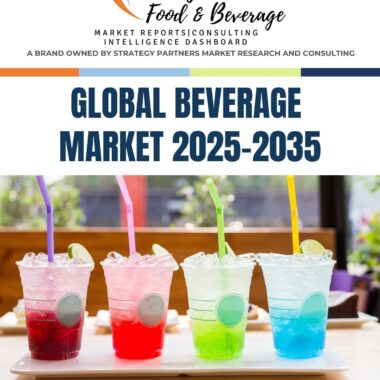
Frozen drinks have carved a distinctive niche in the global beverage landscape by offering a delightful fusion of refreshment, flavor, and sensory appeal. Whether enjoyed as a cooling respite on a hot day or as a fun indulgence at social gatherings, these beverages provide an engaging and often colorful alternative to traditional drinks. Commonly found in cafes, fast-food chains, convenience stores, and even gourmet eateries, frozen drinks range from smoothies and slushies to frozen cocktails and specialty desserts. Their rising popularity is influenced by their vibrant presentation, customization potential, and the growing demand for experiential beverages. Often perceived as both playful and premium, frozen drinks are becoming a mainstay in menus targeting various age groups and lifestyle segments.
Innovation in the frozen drinks sector is being fueled by the increasing availability of advanced freezing technologies and ingredient versatility. From high-capacity frozen drink dispensers to compact countertop machines for home use, the technology has evolved to ensure consistent texture, optimal freezing points, and longer shelf life. In terms of formulation, there is a noticeable shift toward plant-based and clean-label ingredients. New product development often includes fruit-based purees, dairy alternatives like almond or oat milk, and functional additives such as protein, probiotics, and botanicals. These innovations cater to health-conscious consumers while also addressing sustainability concerns. Additionally, flavor experimentation has broadened, with brands incorporating exotic fruits, spice infusions, and herbal notes to appeal to more adventurous palates. There’s also an increased focus on limited-time offerings and seasonal flavors, which drive excitement and repeat purchases.
The appeal of frozen drinks varies across regions, influenced by cultural preferences, climate, and consumption patterns. In North America, frozen beverages are strongly associated with fast-food chains and convenience culture. Consumers here often seek indulgent and large-sized options with vibrant colors and bold flavors. In Europe, the market leans towards more refined and healthier variations, with an emphasis on organic ingredients, artisanal preparation, and lower sugar content. Asian markets show a high affinity for innovation, blending local ingredients like matcha, lychee, and taro into frozen formats. The influence of K-culture and Japanese aesthetics has also inspired minimalist and photogenic presentations. In Latin America and the Middle East, frozen drinks tend to reflect traditional flavors and are often integrated with local beverages such as tamarind, hibiscus, or rosewater. Tropical regions, with naturally warmer climates, consistently show strong demand across all types of frozen beverages.
Several dynamic factors are contributing to the growth and diversification of the frozen drinks category. Changing consumer lifestyles that emphasize on-the-go consumption, convenience, and experiential dining play a major role in shaping demand. The rise of food delivery platforms and mobile ordering apps has also made it easier for consumers to access customized frozen drinks from the comfort of their homes. Additionally, health and wellness trends have prompted brands to develop frozen beverages with nutritional benefits, including high fiber, added vitamins, or low-calorie profiles. Visual appeal is another important factor, as consumers are increasingly influenced by social media platforms that spotlight visually captivating food and drink content. Sustainability considerations are also entering the frozen drinks domain, with eco-friendly packaging, local sourcing, and energy-efficient machinery gaining traction. Retailers and manufacturers are further leveraging data and consumer insights to tailor offerings that align with evolving preferences.
Customers increasingly view frozen drinks as more than just beverages—they are immersive experiences. Preferences tend to vary by demographic, but there is a clear demand for both indulgent and health-oriented options. Younger consumers often gravitate toward vibrant, Instagram-worthy drinks that offer unique flavors and textures, such as popping boba, flavored jellies, or layered smoothies. Meanwhile, health-conscious adults may prefer functional frozen beverages made with whole fruits, natural sweeteners, or plant-based milk alternatives. There is also an appetite for customization, with many consumers expecting to choose everything from the base liquid and flavor to add-ins and toppings. Texture is another critical aspect, with smoother blends preferred for smoothies and chunkier or icier formats favored in slush drinks. Ethical and environmental considerations also play a role in shaping choices, with more customers seeking brands that demonstrate transparency and responsibility in sourcing and production practices.
Frozen drinks continue to evolve as a vibrant and versatile category within the global beverage industry. Their appeal spans generations, lifestyles, and cultural boundaries, fueled by continuous innovation in ingredients, technology, and presentation. As consumers become more discerning and demand increasingly personalized, health-conscious, and environmentally responsible options, the frozen drinks market is poised to adapt and thrive. Whether served in a bustling café or enjoyed from a home blender, frozen drinks offer a blend of flavor, fun, and refreshment that keeps them consistently in demand across diverse settings.”
Table of Contents
1 Market Introduction- Global Frozen Drinks Market
1.1 Market Segmentation- Global Frozen Drinks Market
1.2 Key Trends- Global Frozen Drinks Market
1.2.1 Drivers
1.2.2 Restraints
1.2.3 Challenges
2 Global Market Forecast- Global Frozen Drinks Market
1. By Region
2. By Distribution Channel
3. By Type
4. By Product
3 Country Wise Forecast- Global Frozen Drinks Market
3.1 US
3.1.1 Key Trends
3.1.2 Consumer Spending
o Population
o GDP
o CPI
o Spend per Capita
o Spend as a proportion of GDP
3.1.3 Market Forecast- US Frozen Drinks Market
1. By Distribution Channel
2. By Type
3. By Product
3.1.4 Key Competitors- US Frozen Drinks Market
3.1.5 EXIM
3.1.6 Patents
3.1.7 Scenario Analysis- US Frozen Drinks Market
3.1.8 Opportunity Analysis- US Frozen Drinks Market
3.2 Canada
3.2.1 Key Trends
3.2.2 Consumer Spending
o Population
o GDP
o CPI
o Spend per Capita
o Spend as a proportion of GDP
3.2.3 Market Forecast- Canada Frozen Drinks Market
1.By Distribution Channel
2.By Type
3.By Product
3.2.4 Key Competitors- Canada Frozen Drinks Market
3.2.5 EXIM
3.2.6 Patents
3.2.7 Scenario Analysis- Canada Frozen Drinks Market
3.2.8 Opportunity Analysis- Canada Frozen Drinks Market
3.3 UK
3.3.1 Key Trends
3.3.2 Consumer Spending
o Population
o GDP
o CPI
o Spend per Capita
o Spend as a proportion of GDP
3.3.3 Market Forecast- UK Frozen Drinks Market
1.By Distribution Channel
2.By Type
3.By Product
3.3.4 Key Competitors- UK Frozen Drinks Market
3.3.5 EXIM
3.3.6 Patents
3.3.7 Scenario Analysis- UK Frozen Drinks Market
3.3.8 Opportunity Analysis- UK Frozen Drinks Market
3.4 Germany
3.4.1 Key Trends
3.4.2 Consumer Spending
o Population
o GDP
o CPI
o Spend per Capita
o Spend as a proportion of GDP
3.4.3 Market Forecast- Germany Frozen Drinks Market
1.By Distribution Channel
2.By Type
3.By Product
3.4.4 Key Competitors- Germany Frozen Drinks Market
3.4.5 EXIM
3.4.6 Patents
3.4.7 Scenario Analysis- Germany Frozen Drinks Market
3.4.8 Opportunity Analysis- Germany Frozen Drinks Market
3.5 France
3.5.1 Key Trends
3.5.2 Consumer Spending
o Population
o GDP
o CPI
o Spend per Capita
o Spend as a proportion of GDP
3.5.3 Market Forecast- France Frozen Drinks Market
1.By Distribution Channel
2.By Type
3.By Product
3.5.4 Key Competitors- France Frozen Drinks Market
3.5.5 EXIM
3.5.6 Patents
3.5.7 Scenario Analysis- France Frozen Drinks Market
3.5.8 Opportunity Analysis- France Frozen Drinks Market
3.6 Italy
3.6.1 Key Trends
3.6.2 Consumer Spending
o Population
o GDP
o CPI
o Spend per Capita
o Spend as a proportion of GDP
3.6.3 Market Forecast- Italy Frozen Drinks Market
1.By Distribution Channel
2.By Type
3.By Product
3.6.4 Key Competitors- Italy Frozen Drinks Market
3.6.5 EXIM
3.6.6 Patents
3.6.7 Scenario Analysis- Italy Frozen Drinks Market
3.6.8 Opportunity Analysis- Italy Frozen Drinks Market
3.7 Ireland
3.7.1 Key Trends
3.7.2 Consumer Spending
o Population
o GDP
o CPI
o Spend per Capita
o Spend as a proportion of GDP
3.7.3 Market Forecast- Ireland Frozen Drinks Market
1.By Distribution Channel
2.By Type
3.By Product
3.7.4 Key Competitors- Ireland Frozen Drinks Market
3.7.5 EXIM
3.7.6 Patents
3.7.7 Scenario Analysis- Ireland Frozen Drinks Market
3.7.8 Opportunity Analysis- Ireland Frozen Drinks Market
3.8 Spain
3.8.1 Key Trends
3.8.2 Consumer Spending
o Population
o GDP
o CPI
o Spend per Capita
o Spend as a proportion of GDP
3.8.3 Market Forecast- Spain Frozen Drinks Market
1.By Distribution Channel
2.By Type
3.By Product
3.8.4 Key Competitors- Spain Frozen Drinks Market
3.8.5 EXIM
3.8.6 Patents
3.8.7 Scenario Analysis- Spain Frozen Drinks Market
3.8.8 Opportunity Analysis- Spain Frozen Drinks Market
3.9 Belgium
3.9.1 Key Trends
3.9.2 Consumer Spending
o Population
o GDP
o CPI
o Spend per Capita
o Spend as a proportion of GDP
3.9.3 Market Forecast- Belgium Frozen Drinks Market
1.By Distribution Channel
2.By Type
3.By Product
3.9.4 Key Competitors- Belgium Frozen Drinks Market
3.9.5 EXIM
3.9.6 Patents
3.9.7 Scenario Analysis- Belgium Frozen Drinks Market
3.9.8 Opportunity Analysis- Belgium Frozen Drinks Market
3.10 Switzerland
3.10.1 Key Trends
3.10.2 Consumer Spending
o Population
o GDP
o CPI
o Spend per Capita
o Spend as a proportion of GDP
3.10.3 Market Forecast- Switzerland Frozen Drinks Market
1.By Distribution Channel
2.By Type
3.By Product
3.10.4 Key Competitors- Switzerland Frozen Drinks Market
3.10.5 EXIM
3.10.6 Patents
3.10.7 Scenario Analysis- Switzerland Frozen Drinks Market
3.10.8 Opportunity Analysis- Switzerland Frozen Drinks Market
3.11 Sweden
3.11.1 Key Trends
3.11.2 Consumer Spending
o Population
o GDP
o CPI
o Spend per Capita
o Spend as a proportion of GDP
3.11.3 Market Forecast- Sweden Frozen Drinks Market
1.By Distribution Channel
2.By Type
3.By Product
3.11.4 Key Competitors- Sweden Frozen Drinks Market
3.11.5 EXIM
3.11.6 Patents
3.11.7 Scenario Analysis- Sweden Frozen Drinks Market
3.11.8 Opportunity Analysis- Sweden Frozen Drinks Market
3.12 Portugal
3.12.1 Key Trends
3.12.2 Consumer Spending
o Population
o GDP
o CPI
o Spend per Capita
o Spend as a proportion of GDP
3.12.3 Market Forecast- Portugal Frozen Drinks Market
1.By Distribution Channel
2.By Type
3.By Product
3.12.4 Key Competitors- Portugal Frozen Drinks Market
3.12.5 EXIM
3.12.6 Patents
3.12.7 Scenario Analysis- Portugal Frozen Drinks Market
3.12.8 Opportunity Analysis- Portugal Frozen Drinks Market
3.13 The Netherlands
3.13.1 Key Trends
3.13.2 Consumer Spending
o Population
o GDP
o CPI
o Spend per Capita
o Spend as a proportion of GDP
3.13.3 Market Forecast- Netherlands Frozen Drinks Market
1.By Distribution Channel
2.By Type
3.By Product
3.13.4 Key Competitors- Netherlands Frozen Drinks Market
3.13.5 EXIM
3.13.6 Patents
3.13.7 Scenario Analysis- Netherlands Frozen Drinks Market
3.13.8 Opportunity Analysis- Netherlands Frozen Drinks Market
3.14 Brazil
3.14.1 Key Trends
3.14.2 Consumer Spending
o Population
o GDP
o CPI
o Spend per Capita
o Spend as a proportion of GDP
3.14.3 Market Forecast- Brazil Frozen Drinks Market
1.By Distribution Channel
2.By Type
3.By Product
3.14.4 Key Competitors- Brazil Frozen Drinks Market
3.14.5 EXIM
3.14.6 Patents
3.14.7 Scenario Analysis- Brazil Frozen Drinks Market
3.14.8 Opportunity Analysis- Brazil Frozen Drinks Market
3.15 Mexico
3.15.1 Key Trends
3.15.2 Consumer Spending
o Population
o GDP
o CPI
o Spend per Capita
o Spend as a proportion of GDP
3.15.3 Market Forecast- Mexico Frozen Drinks Market
1.By Distribution Channel
2.By Type
3.By Product
3.15.4 Key Competitors- Mexico Frozen Drinks Market
3.15.5 EXIM
3.15.6 Patents
3.15.7 Scenario Analysis- Mexico Frozen Drinks Market
3.15.8 Opportunity Analysis- Mexico Frozen Drinks Market
3.16 Australia
3.16.1 Key Trends
3.16.2 Consumer Spending
o Population
o GDP
o CPI
o Spend per Capita
o Spend as a proportion of GDP
3.16.3 Market Forecast- Australia Frozen Drinks Market
1.By Distribution Channel
2.By Type
3.By Product
3.16.4 Key Competitors- Australia Frozen Drinks Market
3.16.5 EXIM
3.16.6 Patents
3.16.7 Scenario Analysis- Australia Frozen Drinks Market
3.16.8 Opportunity Analysis- Australia Frozen Drinks Market
3.17 China
3.17.1 Key Trends
3.17.2 Consumer Spending
o Population
o GDP
o CPI
o Spend per Capita
o Spend as a proportion of GDP
3.17.3 Market Forecast- China Frozen Drinks Market
1.By Distribution Channel
2.By Type
3.By Product
3.17.4 Key Competitors- China Frozen Drinks Market
3.17.5 EXIM
3.17.6 Patents
3.17.7 Scenario Analysis- China Frozen Drinks Market
3.17.8 Opportunity Analysis- China Frozen Drinks Market
3.18 Indonesia
3.18.1 Key Trends
3.18.2 Consumer Spending
o Population
o GDP
o CPI
o Spend per Capita
o Spend as a proportion of GDP
3.18.3 Market Forecast- Indonesia Frozen Drinks Market
1.By Distribution Channel
2.By Type
3.By Product
3.18.4 Key Competitors- Indonesia Frozen Drinks Market
3.18.5 EXIM
3.18.6 Patents
3.18.7 Scenario Analysis- Indonesia Frozen Drinks Market
3.18.8 Opportunity Analysis- Indonesia Frozen Drinks Market
3.19 India
3.19.1 Key Trends
3.19.2 Consumer Spending
o Population
o GDP
o CPI
o Spend per Capita
o Spend as a proportion of GDP
3.19.3 Market Forecast- India Frozen Drinks Market
1.By Distribution Channel
2.By Type
3.By Product
3.19.4 Key Competitors- India Frozen Drinks Market
3.19.5 EXIM
3.19.6 Patents
3.19.7 Scenario Analysis- India Frozen Drinks Market
3.19.8 Opportunity Analysis- India Frozen Drinks Market
3.20 Japan
3.20.1 Key Trends
3.20.2 Consumer Spending
o Population
o GDP
o CPI
o Spend per Capita
o Spend as a proportion of GDP
3.20.3 Market Forecast- Japan Frozen Drinks Market
1.By Distribution Channel
2.By Type
3.By Product
3.20.4 Key Competitors- Japan Frozen Drinks Market
3.20.5 EXIM
3.20.6 Patents
3.20.7 Scenario Analysis- Japan Frozen Drinks Market
3.20.8 Opportunity Analysis- Japan Frozen Drinks Market
3.21 South Korea
3.21.1 Key Trends
3.21.2 Consumer Spending
o Population
o GDP
o CPI
o Spend per Capita
o Spend as a proportion of GDP
3.21.3 Market Forecast- South Korea Frozen Drinks Market
1.By Distribution Channel
2.By Type
3.By Product
3.21.4 Key Competitors- South Korea Frozen Drinks Market
3.21.5 EXIM
3.21.6 Patents
3.21.7 Scenario Analysis- South Korea Frozen Drinks Market
3.21.8 Opportunity Analysis- South Korea Frozen Drinks Market
3.22 Thailand
3.22.1 Key Trends
3.22.2 Consumer Spending
o Population
o GDP
o CPI
o Spend per Capita
o Spend as a proportion of GDP
3.22.3 Market Forecast- Thailand Frozen Drinks Market
1.By Distribution Channel
2.By Type
3.By Product
3.22.4 Key Competitors- Thailand Frozen Drinks Market
3.22.5 EXIM
3.22.6 Patents
3.22.7 Scenario Analysis- Thailand Frozen Drinks Market
3.22.8 Opportunity Analysis- Thailand Frozen Drinks Market
3.23 Malaysia
3.23.1 Key Trends
3.23.2 Consumer Spending
o Population
o GDP
o CPI
o Spend per Capita
o Spend as a proportion of GDP
3.23.3 Market Forecast- Malaysia Frozen Drinks Market
1.By Distribution Channel
2.By Type
3.By Product
3.23.4 Key Competitors- Malaysia Frozen Drinks Market
3.23.5 EXIM
3.23.6 Patents
3.23.7 Scenario Analysis- Malaysia Frozen Drinks Market
3.23.8 Opportunity Analysis- Malaysia Frozen Drinks Market
3.24 Singapore
3.24.1 Key Trends
3.24.2 Consumer Spending
o Population
o GDP
o CPI
o Spend per Capita
o Spend as a proportion of GDP
3.24.3 Market Forecast- Singapore Frozen Drinks Market
1.By Distribution Channel
2.By Type
3.By Product
3.24.4 Key Competitors- Singapore Frozen Drinks Market
3.24.5 EXIM
3.24.6 Patents
3.24.7 Scenario Analysis- Singapore Frozen Drinks Market
3.24.8 Opportunity Analysis- Singapore Frozen Drinks Market
4 Opportunity Matrix- Global Frozen Drinks Market
5 Conclusions and Recommendations- Global Frozen Drinks Market
6 About Global Food & Beverages